
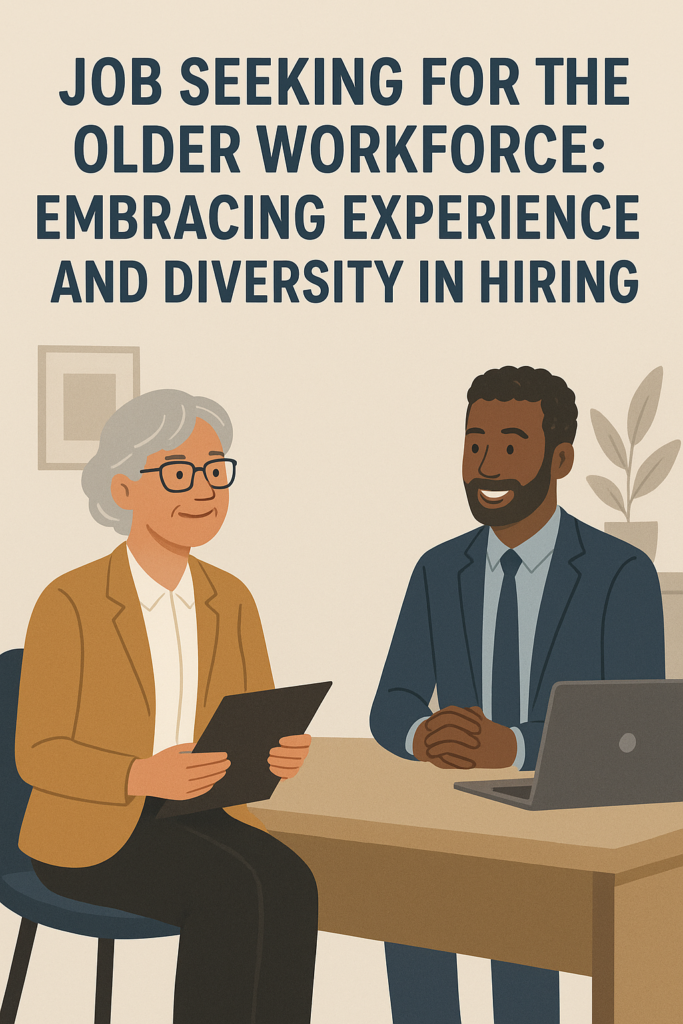
As the workforce continues to evolve, one of the most important trends that are shaping the job market today is the increased participation of older workers. In fact, people aged 50 and above are the fastest-growing demographic in the labor market, and their contribution is both valuable and necessary. Despite this, older job seekers often face unique challenges when applying for positions, from age discrimination to technological barriers. It’s crucial for employers to recognize the wealth of experience and perspective that older candidates bring to the table.
1. The Value of Experience:
One of the most significant advantages that older workers offer is their extensive experience. With decades of work history, they have honed skills that cannot be easily replicated. Their ability to navigate complex situations, provide mentorship to younger employees, and offer insights from years of industry knowledge makes them a valuable asset to any company. Many older workers are also incredibly reliable, committed, and eager to contribute, making them excellent candidates for roles requiring high levels of responsibility and stability.
2. Overcoming the Stereotypes:
Unfortunately, older job seekers still face stereotypes that can hinder their job search. Ageism remains an issue in many industries, with older applicants often unfairly perceived as less adaptable or out of touch with modern technology. However, these assumptions are quickly being debunked. Older workers are not only capable of learning new skills but are also often more willing to do so. In fact, many employers are recognizing that older employees can offer the perfect balance of experience and adaptability, making them more open to hiring a diverse age range.
3. The Benefits of a Diverse Workforce:
Diversity and inclusion go beyond ethnicity, gender, and sexual orientation—it also includes age. A multigenerational workforce brings a wealth of different perspectives, which can lead to more creativity, problem-solving, and innovation. Older workers tend to approach challenges with a level-headedness and maturity that is often gained through years of experience. These qualities can help companies navigate complex decisions and lead teams with a strong sense of leadership and integrity.
For employers looking to build more inclusive and diverse teams, incorporating older workers is essential. Age diversity can lead to a broader range of ideas, enhanced collaboration, and a stronger company culture.
4. Strategies for Older Job Seekers:
For older individuals seeking new opportunities, there are several strategies to consider. First, embracing continuous learning is key. Staying up-to-date with industry trends, improving technical skills, and gaining new certifications can increase your marketability. Networking is also crucial—older workers often have an extensive professional network, which can be invaluable when searching for a job. Additionally, tailoring your resume to highlight both your experience and your adaptability is essential.
It’s also important to approach the job search with a positive mindset. While there may be challenges, older workers should take pride in their wealth of experience and the perspective they bring. It’s crucial to keep pushing forward, leveraging your skills, and finding organizations that recognize the value of an age-diverse workforce.
Conclusion:
The older workforce is an invaluable part of our economy. As job seekers, older workers bring experience, dedication, and a unique perspective to the workplace. Employers that embrace this demographic will not only benefit from their expertise but will also be fostering a more inclusive and diverse environment. In a world where talent is the greatest asset, age should never be a barrier to opportunity.